How Much Does It Cost to Hire a Bartender for a Party or Event in 2026
October 11, 2026
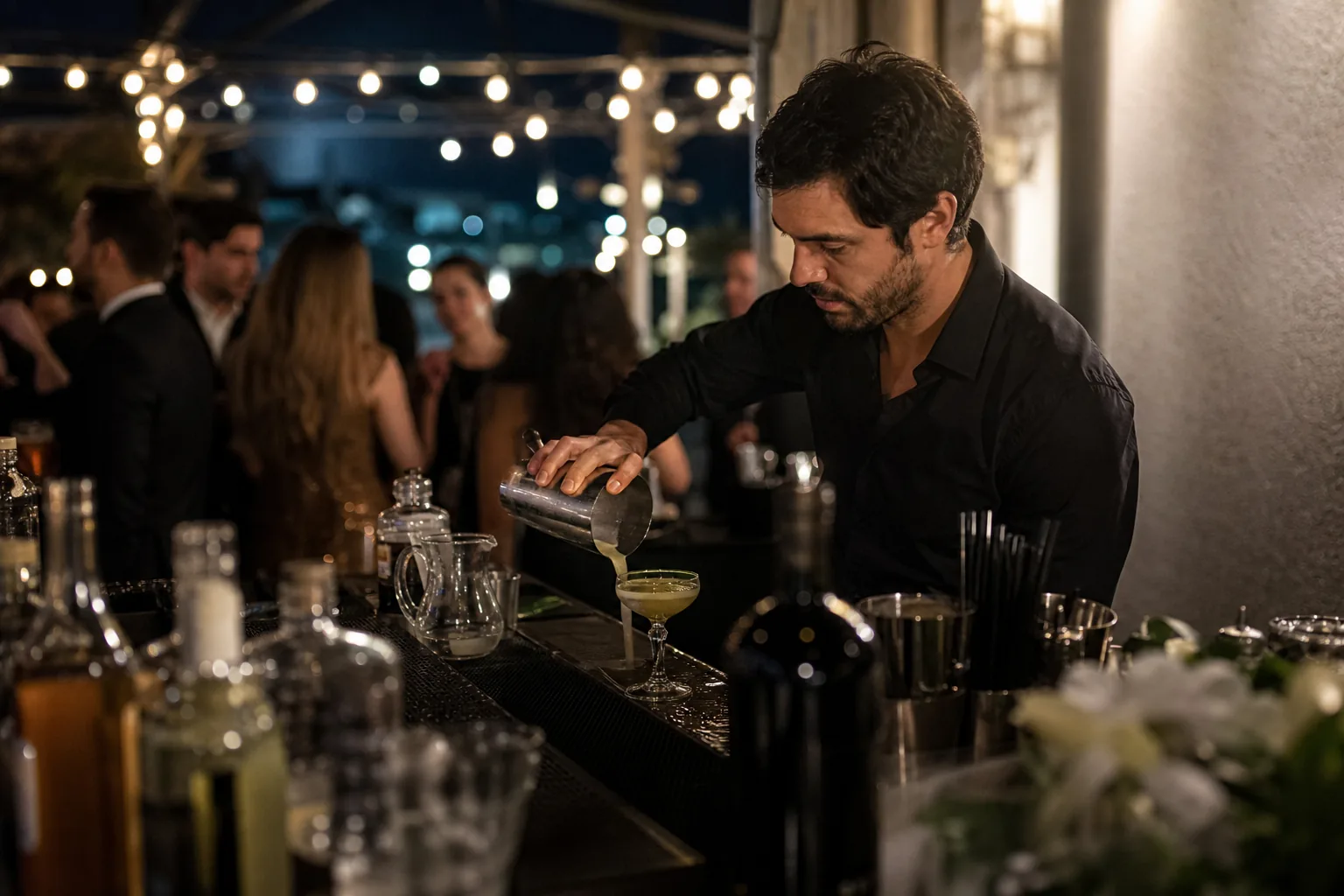
The cost of hiring a bartender for a party or event in 2026 comes down to four things: the hourly rate in your city, the number of hours including setup and breakdown, how many bartenders you need for your guest count, and whether you or the bartender supplies the alcohol and bar kit.
There's no single national price, and anyone quoting one is guessing. A bartender for a backyard birthday in a small town and a cocktail bartender for a corporate launch in a big city are different jobs with different rates. What you can do is understand how the price is built, so you can set a fair budget, compare quotes and avoid surprises on the night. This guide breaks it down line by line.
What you're actually paying for
When you hire a bartender for a private event, the total usually includes several parts. Some bartenders quote a single package, others itemise. Either way, it helps to know what's inside.
Time behind the bar
The core cost is the hourly rate multiplied by the hours of service. Most bartenders and staffing agencies set a minimum booking, often a few hours, because travel and setup make very short bookings uneconomic.
Setup and breakdown
Someone has to set up the bar, chill drinks, cut garnish and pack everything away afterwards. That's usually somewhere between thirty minutes and an hour on each side, and it's normally billed. If your quote seems low, check whether this time is included.
Travel
For events outside a city centre or at a remote venue, some bartenders add a travel fee. Ask up front, especially for weddings or country houses.
Equipment and supplies
Some bartenders bring their own tools (shakers, jiggers, strainers, bar mats). Others also offer a portable bar, glassware, ice and mixers for an extra charge. Alcohol is usually a separate question, covered below.
Gratuity
Tipping customs vary. In the US, guests or hosts commonly tip private event bartenders, and some contracts include a service charge instead. Decide in advance whether you'll allow a tip jar or pay a gratuity yourself, and say so in your gig post.
How hourly rates vary
Bartender rates move with a few predictable factors. Knowing them helps you read a quote.
- City and region. Rates in large metro areas tend to be higher than in smaller towns, reflecting local wages and demand.
- Date. Saturday evenings, December holiday parties and peak wedding season are in higher demand than a Tuesday afternoon.
- Skill level. Pouring beer and wine is a different skill from building a cocktail menu and shaking drinks for 150 people at speed. Mixologists who design a signature menu charge more.
- Independent or agency. An agency adds a margin for vetting, scheduling and backup staff. An independent bartender booked directly can cost less but you take on more coordination.
- Certification and insurance. Many venues require a responsible alcohol service certification and liability insurance. Bartenders who carry both may price that in.
The best way to know the going rate is to look at what similar gigs in your area offer and what local bartenders quote. When you build a gig on GigList, the gig builder suggests a budget band for the category and location you enter, so you don't start from zero.
How many bartenders do you need
Too few bartenders means long queues and unhappy guests. Too many and you're paying people to stand around. Planners often work from a rule of thumb along these lines:
- Beer and wine only: roughly one bartender for every 75 to 100 guests.
- Full bar with simple mixed drinks: roughly one bartender for every 50 to 75 guests.
- Cocktail-heavy menu: plan for more coverage, because each drink takes longer.
These are starting points, not laws. Adjust for how drinks are served. A welcome drink handed out on trays by servers takes pressure off the bar. A single bar at one end of a long room creates a bottleneck that a second station would fix. If the first hour is a rush (it usually is), consider an extra bartender for the opening and a smaller team later.
For larger events you'll likely need more than bartenders. Barbacks keep ice and glassware stocked, and servers move drinks through the room. Our event staffing checklist covers how to plan a full team.
Who supplies the alcohol
This is the line that changes your budget the most, and it's also where local law comes in.
Host-supplied bar
You buy the drinks and the bartender serves them. This is common for house parties and many private events. You pay only for service, and you control what's stocked.
Bartender or caterer supplied bar
Some services provide the alcohol as part of a package priced per guest or per hour. Selling alcohol usually requires a licence, so this option typically comes from licensed caterers or venues rather than an individual bartender.
Check the rules
Alcohol service rules differ by state, county and country. Some places require a licence or permit for certain events, a certified server, or limit who can sell alcohol. Venues often have their own rules too. Check with your venue and local authority before you finalise the plan. A good bartender will know the local norms and can tell you what's typical, but the responsibility for permits usually sits with the host or venue.
A worked example you can adapt
Here's how to build a budget for a hypothetical party. Replace the numbers with real local quotes.
- Guests: 90, full bar with simple mixed drinks.
- Bartenders: two, following the rule of thumb above.
- Service: four hours, plus one hour of setup and breakdown combined, so five billable hours each.
- If the local rate you're quoted is $X per hour, service costs 2 bartenders × 5 hours × $X.
- Add travel if the venue is out of town, and any equipment rental (portable bar, glassware, ice).
- Decide on gratuity: a set amount per bartender, a percentage, or a tip jar if your event allows it.
Writing it out like this makes quotes easy to compare. If one quote is much lower, look for what's missing, often setup time, travel or the second bartender.
How to hire a bartender without the back and forth
A clear gig post saves you a lot of messages. Include:
- Date, start time, end time, and arrival time for setup.
- Venue city or neighbourhood, and whether parking is available.
- Guest count and type of bar (beer and wine, full bar, cocktail menu).
- Who supplies alcohol, mixers, ice, glassware and tools.
- Dress code.
- Your budget, hourly or fixed.
- Requirements such as a responsible service certification where your state requires one.
Post it on our hire a bartender page and you'll get a ranked shortlist of bartenders near your venue who can work that date. For repeat events, Business and Agency plans let you save a bench of bartenders you trust and invite them directly to the next shift. Plans start at $49 a month with no per-gig fees, and you can compare them on the pricing page.
Questions to ask before you book
- Is setup and breakdown time included in your quote?
- Do you bring your own tools, and what do you need from me?
- Do you hold a responsible alcohol service certification and liability insurance?
- How do you handle guests who've had too much?
- What happens if you're sick on the day?
- Can you suggest a drinks list and quantities for my guest count?
The answer to the last question tells you a lot. Experienced event bartenders can usually suggest how much to buy for your guest count and event length, and they'll warn you about common traps like running out of ice.
Ways to keep the bar budget under control
If the total looks higher than you hoped, there are fair ways to bring it down without making the night worse for guests or staff.
- Shorten the bar window. Open the bar for the first few hours and close it with a final call, rather than running it until the last guest leaves.
- Simplify the menu. Beer, wine and one or two signature cocktails are faster to serve than a full cocktail list, so you may need fewer bartenders.
- Batch the signature drink. A pre-mixed cocktail poured over ice serves quickly and keeps the queue short.
- Book in advance. Short notice usually costs more, so lock in your bartenders as soon as the date is set.
- Handle supplies yourself. Buying ice, mixers and garnish yourself can cost less than a package, as long as someone owns the shopping list.
What you shouldn't cut is setup time or the second bartender at a busy event. Those are the two savings guests notice first.
Frequently asked questions
How much does it cost to hire a bartender for a party?
It depends on your local hourly rate, the number of hours including setup and breakdown, how many bartenders you need and who supplies the bar. Multiply the local rate by billable hours and bartenders, then add travel, equipment and gratuity.
How many bartenders do I need for 100 guests?
For a full bar, a common rule of thumb is one bartender per 50 to 75 guests, so two bartenders for 100 guests. Beer and wine only may need fewer, and a cocktail menu may need more.
Do I have to tip a private event bartender?
Tipping customs vary by country and region. In the US it's common to tip private event bartenders or allow a tip jar. Check whether your contract already includes a service charge.
Can a bartender bring the alcohol?
Selling alcohol usually requires a licence, so in many places an individual bartender serves alcohol the host buys. Licensed caterers and venues can supply drinks as part of a package. Check local rules.
How far in advance should I book a bartender?
Book as early as you can for weekends, holidays and wedding season, when demand is highest. For smaller weekday events, a few days of notice can be enough if your budget is fair.